Stories of Progress
Every child who walks through our doors carries a story shaped by loss, resilience, and an unspoken hope for something better. At our shelters, progress is not always loud or dramatic. Often, it looks like small steps taken consistently returning to school, learning to trust again, or simply choosing to stay one more day. These moments are where transformation begins.
HAVEN GIRLS TRANSITIONAL SHELTER
Our girls have a safe home every single day, and 23 girls have gone through our rehabilitation program.
GENESIS BOYS RESTORATION SHELTER
We have experienced profound joy watching the boys grow and find themselves through rehabilitation, especially the younger boys who often face the greatest struggles.
HIDE OUT CENTRE
Many boys have received first aid and additional medical attention as needed, with those requiring further care referred to the hospital for treatment.
VOCATIONAL HIDE OUT CENTRE
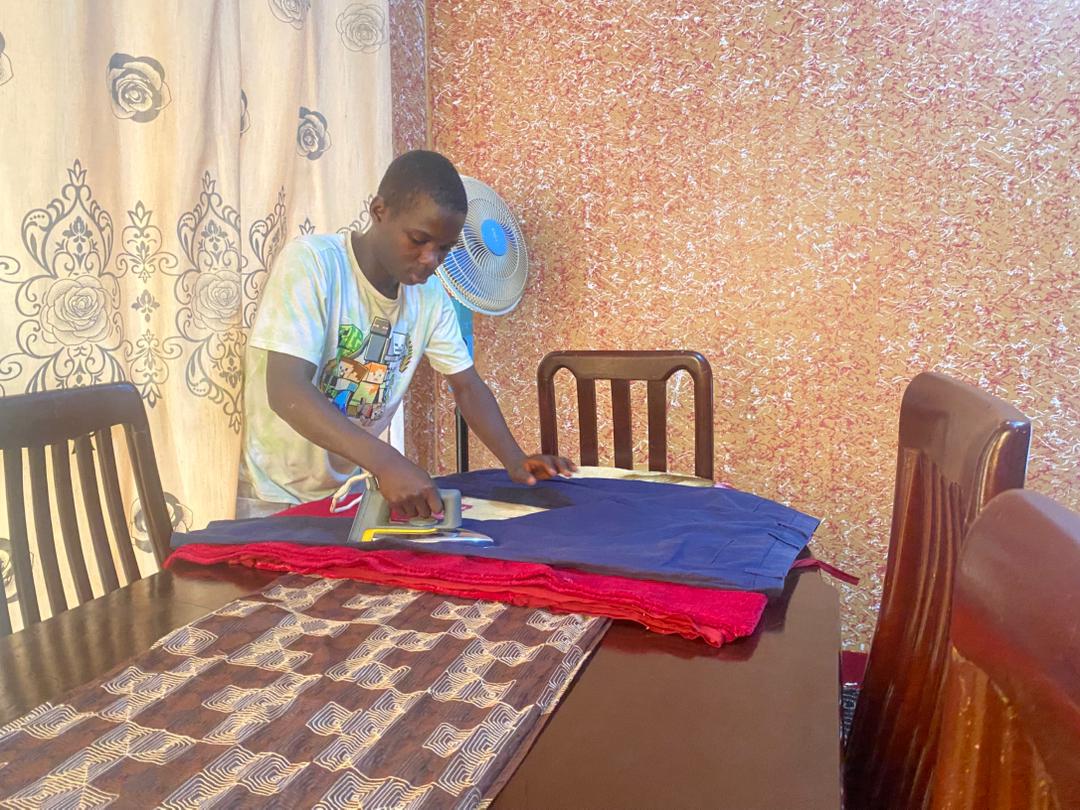
Many of our boys have continued to gain practical skills through various courses, including wiring, car mechanics, plumbing, and others.
.JPG)
Rehabilitation through our shelters
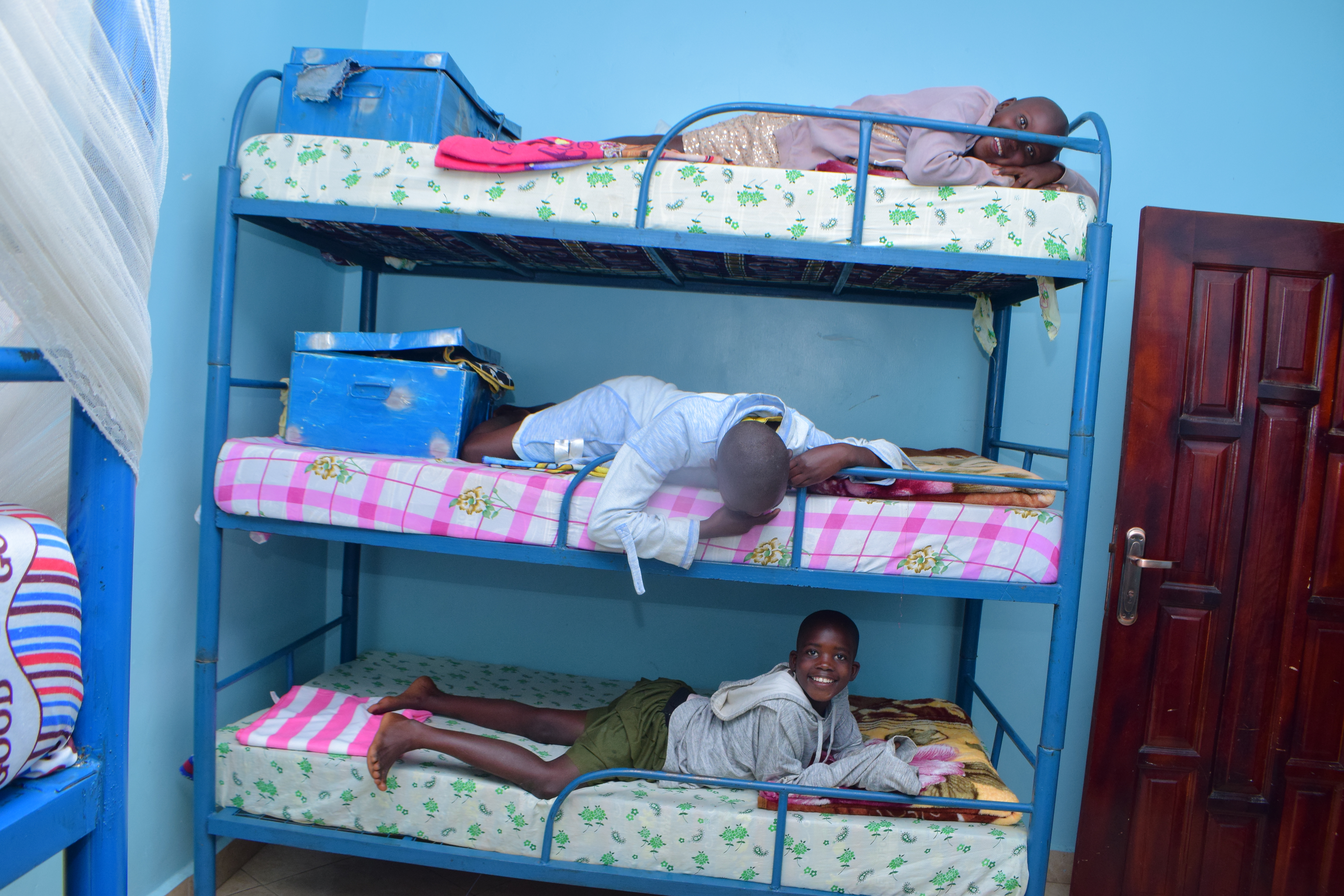
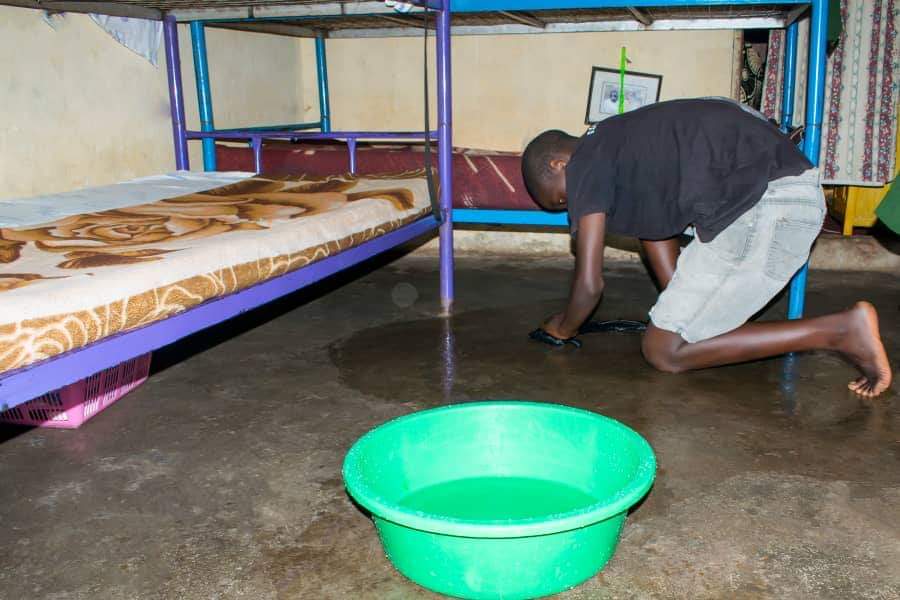
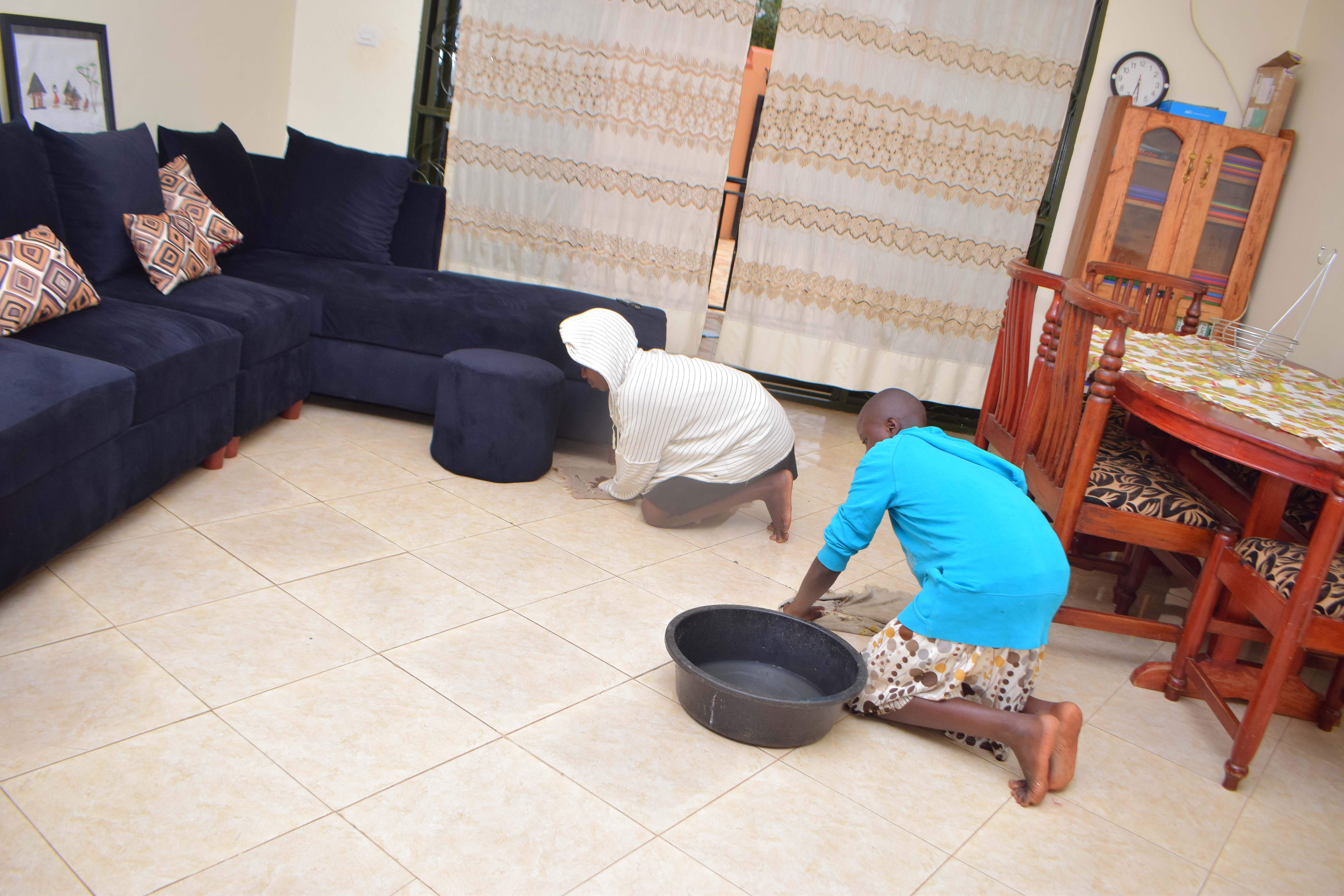
Over the past months, our shelters have continued to operate with stability and purpose. We have remained committed to meeting state requirements through routine inspections and timely adjustments, ensuring that our facilities remain safe, compliant, and supportive for every child in our care. Core aspects of shelter management including cleanliness, bedding, and overall organization have been consistently upheld, creating environments where children can feel secure and valued.
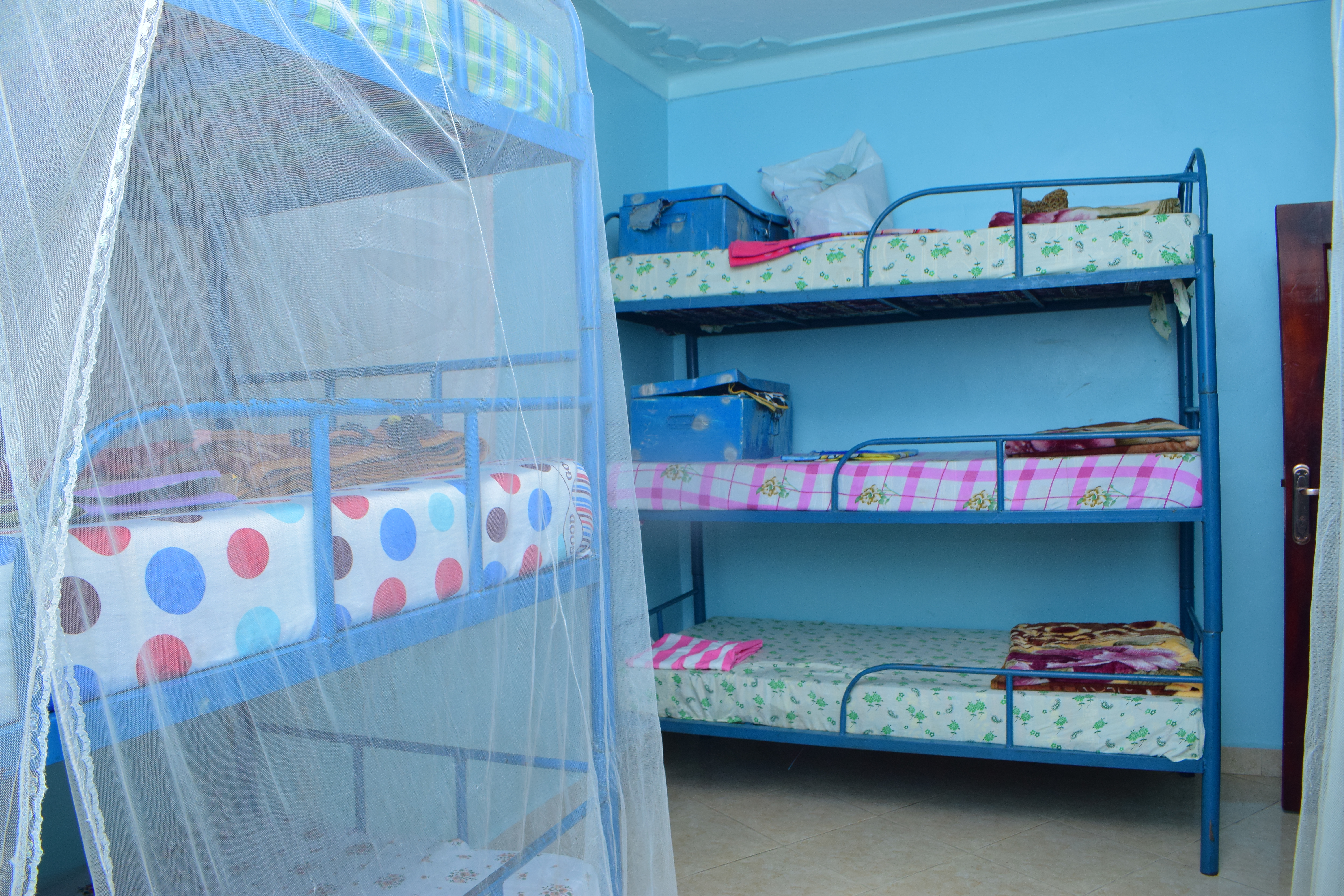
We have also carried out important renovations, particularly upgrading bed structures to improve safety and functionality. Recreational activities have played a vital role in supporting the children’s emotional and psychological well being. By renting nearby fields and organizing music, dance, and drama sessions, we have given the children space to express themselves, release stress, and simply experience joy.
Significant progress has been made in securing essential documentation for the children. These records are critical for their legal protection and long-term integration into our programs. Together, these efforts reflect our ongoing commitment to providing structured, nurturing environments that support the holistic development of each child academically, emotionally, and socially.
Behind this progress is constant, hands-on work. I have been closely organizing operations, addressing gaps, and making changes wherever needed. While many aspects of the shelters are in good condition, some items such as seating require renovation. Due to the children’s playful nature, some furniture has been damaged over time, weakening the wood and making it unsafe for use. I have remained firm about repairs and maintenance, especially during inspections, to ensure that no shortcomings are used against the shelters or become an unnecessary financial burden.
The process of securing full approval for the boys’ shelter remains ongoing. External requirements, particularly those related to outdoor facilities, are still being addressed. Shelter approval is a lengthy process that can take two to three years, involving multiple bodies including KCCA, the Ministry of Gender, police offices, District Officers, and other representatives. Balancing compliance across all programs has required careful planning and significant financial resources, especially as documentation costs continue while daily shelter operations must also go on.
One of the key reasons we enroll children in boarding schools is to provide them with a stable learning environment free from disruption. This also allows us the necessary time and space to work through documentation and approval processes without compromising the children’s education or safety. The pressure of operating without full shelter approval has brought many challenges, including accusations and repeated demands from various individuals.
While the cost and complexity of shelter approval are overwhelming, pursuing it became a necessary step. The ongoing challenges and financial strain caused by inspections, unmet demands, and accusations made it clear that formal approval was the most responsible path forward. Despite the burden, we continue because compliance protects the children, strengthens our programs, and ensures sustainability for the future.
This journey has not been easy, but it is guided by responsibility, transparency, and an unwavering commitment to the children we serve. Every improvement made, every document secured, and every challenge faced is a step toward building shelters that stand strong for today and for the future.
The Haven Girls Transitional Shelter
Eleven girls were successfully rehabilitated and resettled, most of them referred through police stations in the taxi parks. Each resettlement represents more than the end of a process; it marks the beginning of restored dignity, stability, and hope.
All the girls returned to school for third term, and their progress has been encouraging. Academic performance improved notably, particularly in writing and pronunciation areas that had previously been affected by disrupted schooling and emotional distress. With consistent support, many girls gained confidence in expressing themselves both verbally and in writing.
As several girls enter puberty, they face emotional and mental challenges that require patience, guidance, and reassurance. This stage of development calls for deeper emotional support, and it is during this time that we witness some of the most meaningful transformations as the girls learn to understand their bodies, emotions, and self-worth.
Like all young people, their challenges often revolve around identity and personal growth. Occasional disagreements do arise, but they are typically minor, verbal, and resolved quickly. Overall, the girls continue to show resilience, curiosity, and a growing belief in themselves.
Genesis Boys Restoration Shelter
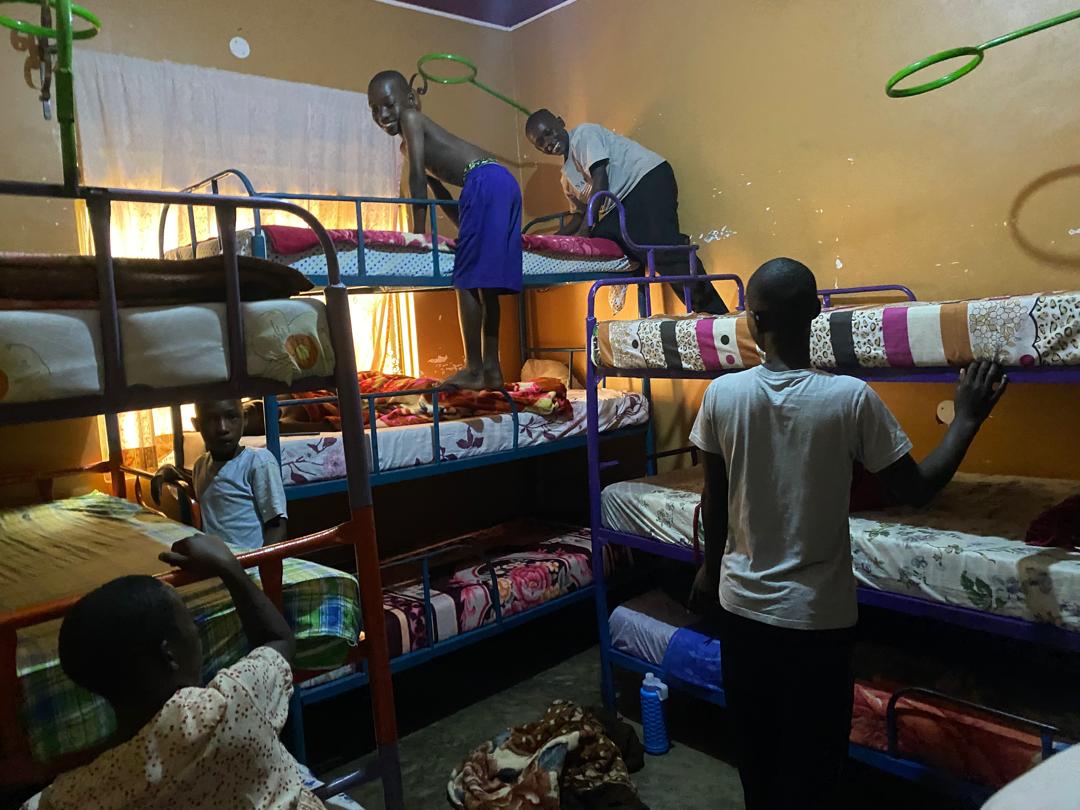
At the Genesis Boys Restoration Shelter, the reality is often more intense. The shelter is frequently at full capacity, reflecting the increasing number of boys living on the streets across Kampala. Many arrive carrying the weight of survival exposed to harsh environments, negative peer influence, and deeply ingrained street habits.
For boys who have lived independently for long periods, adjusting to structure and rules is not easy. Providing care while maintaining discipline requires firmness, consistency, and a great deal of dedication. Despite these challenges, the shelter remains a place of safety, routine, and opportunity where boys are given a chance to rebuild their lives.
Many of the boys have enormous potential and the ability to change. However, they are often limited by immediate desires and unrealistic expectations. When progress does not happen as quickly as they hope, frustration can lead to difficult behaviors. In some cases, this results in boys leaving the shelter, stealing, or negatively influencing others.
One of our greatest challenges involves boys who are completing or have completed Senior Six. At this stage, dreams are big and rightly so, but resources are limited and must be shared fairly among all children. Some boys begin to equate support with having all their personal demands met, making obedience to rules increasingly difficult. Protecting the younger boys sometimes requires painful decisions, including allowing older boys to leave the program when their behavior becomes harmful.
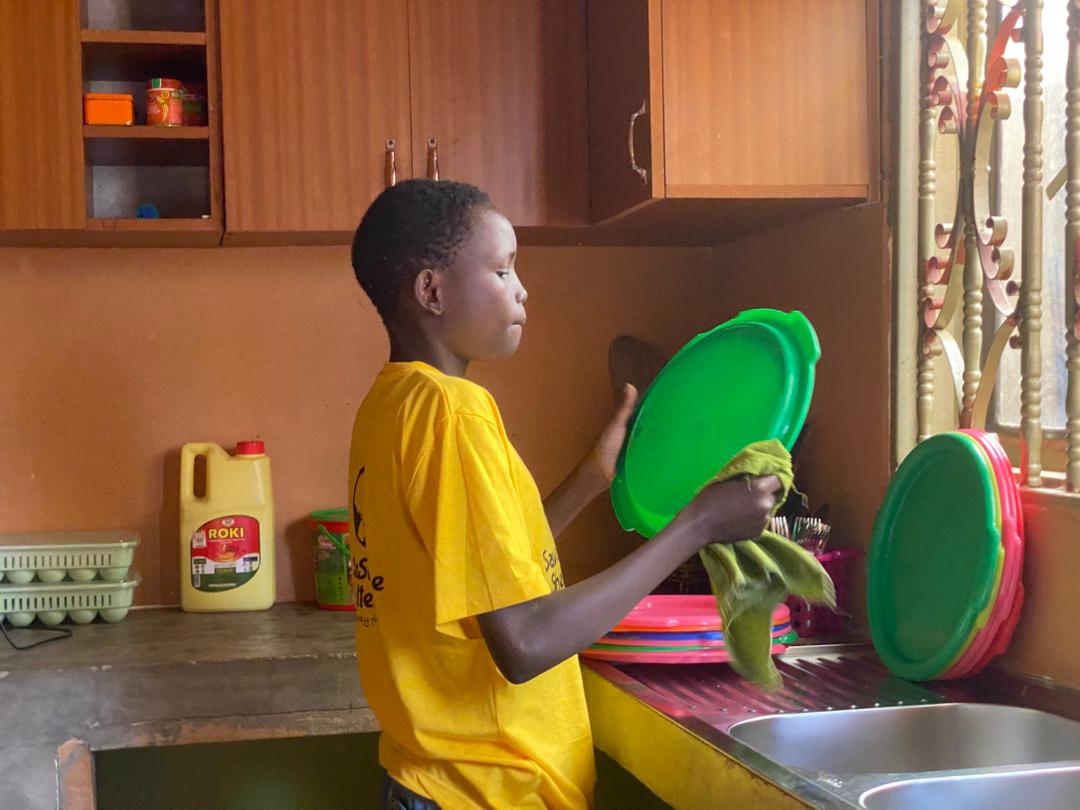
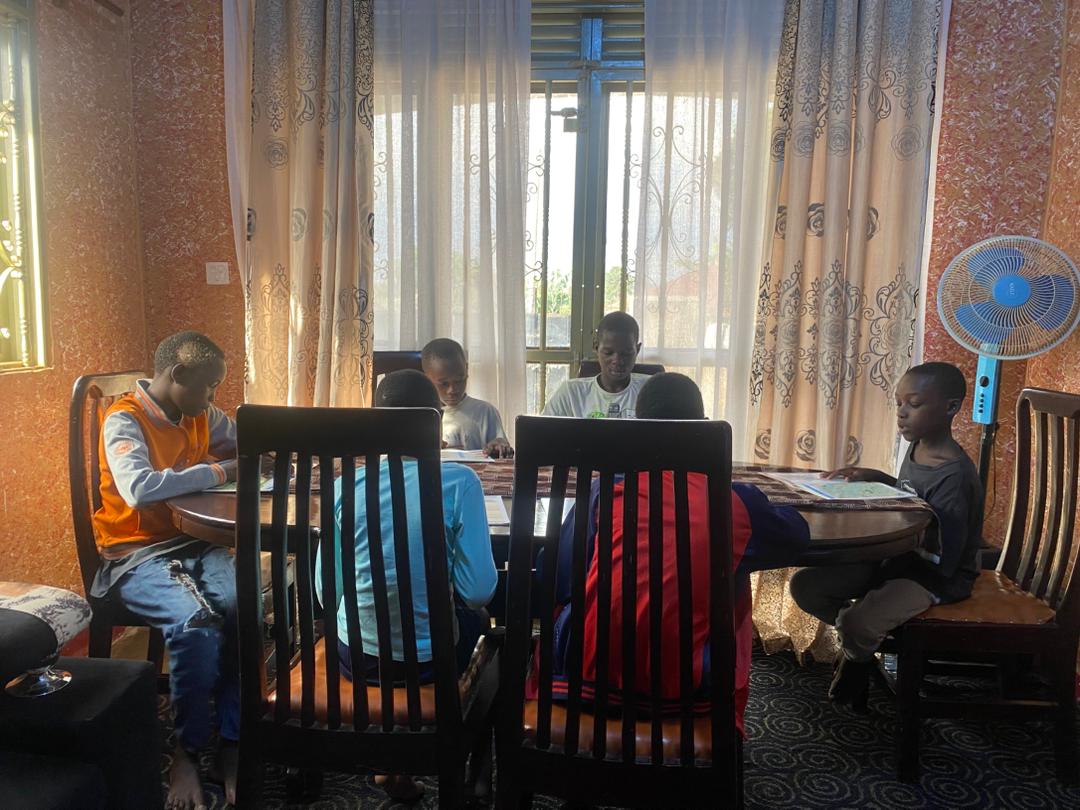
This year, one of the most heartbreaking moments was when three boys were influenced to leave the shelter. One returned after two days, having realized that life outside was not what had been promised. However, for the sake of accountability and example, none were allowed to return. The other two later reached out, asking for another chance, but the damage caused to the program and other children made reintegration impossible. These moments weigh heavily on our hearts, yet they remind us how complex and fragile the process of restoration can be.
Many boys technically age out of the shelter but remain longer because their transition into independence is difficult. Some leave and return repeatedly, disrupting their growth. By the time they fully recognize their mistakes, rebuilding becomes extremely challenging resources are stretched, and opportunities may have passed. This cycle has been one of the most difficult realities we have faced this year.
The lasting difference we continue to make is possible because of your support. Thank you for standing with us and for being part of this journey.
Hideout Centers
Our program operates two hideout centers designed to support street boys in different stages of recovery, training, and transition. Each center plays a distinct role in ensuring that the boys receive the care, guidance, and opportunities they need to thrive.
First Hideout Centre
The first hideout center functions primarily as a short-term medical and recovery facility. It provides essential first aid and temporary accommodation for boys who are sick or injured. Children requiring treatment for several days are supported until they are ready to continue their programs, in line with probation office regulations. No child is permitted to stay longer than two weeks unless they are transitioning into vocational training or moving into a longer-term shelter program.
In December of last year, the hideout center experienced a serious incident when it was deliberately set on fire. Thankfully, no child was present at the time, David, the only child in the building, was attending his welding training. Material losses were limited to three mattresses and a few basic items, and the building structure remained intact despite smoke damage. A police report was filed, and the landlord was formally notified in writing. This incident, though unexpected, reinforced the importance of vigilance and preparedness in maintaining a safe environment for the children.
The lasting difference we continue to make is possible because of your support. Thank you for standing with us and for being part of this journey.
Second Hideout Centre
The second group consists of students enrolled in vocational training programs who are nearing completion. Some have already been placed in practical training placements, while others have about a year remaining. To manage costs effectively, accommodation was secured near the school rather than placing all students in boarding facilities, which would have been significantly more expensive due to additional requirements such as toolboxes and training materials.
Challenges during the reporting period were minimal. At the start of practical training, a small number of tools went missing. Street children often face difficulties during transitional periods, with theft being the most common issue. For this reason, phones and other electronics are not allowed at the first hideout center. Once students settled into their placements, conduct improved, and the majority successfully completed the term. One student temporarily withdrew due to a family matter at the request of his uncle but is expected to resume training once the issue is resolved.
While there are no major conflicts among the students themselves, some continue to face challenges in managing their independence, which is understandable as they navigate new responsibilities. Ongoing counseling and support from both the training institutions and placement providers have been instrumental in guiding positive behavior and promoting personal developmen.
Although lower cost training options exist, such as informal learning in local garages, these options present challenges and do not provide recognized certification or official documentation. For this reason, students are enrolled in accredited programs that offer formal certifications. These credentials ensure that students have long-term value and employability, while also providing a structured environment that encourages better performance.